
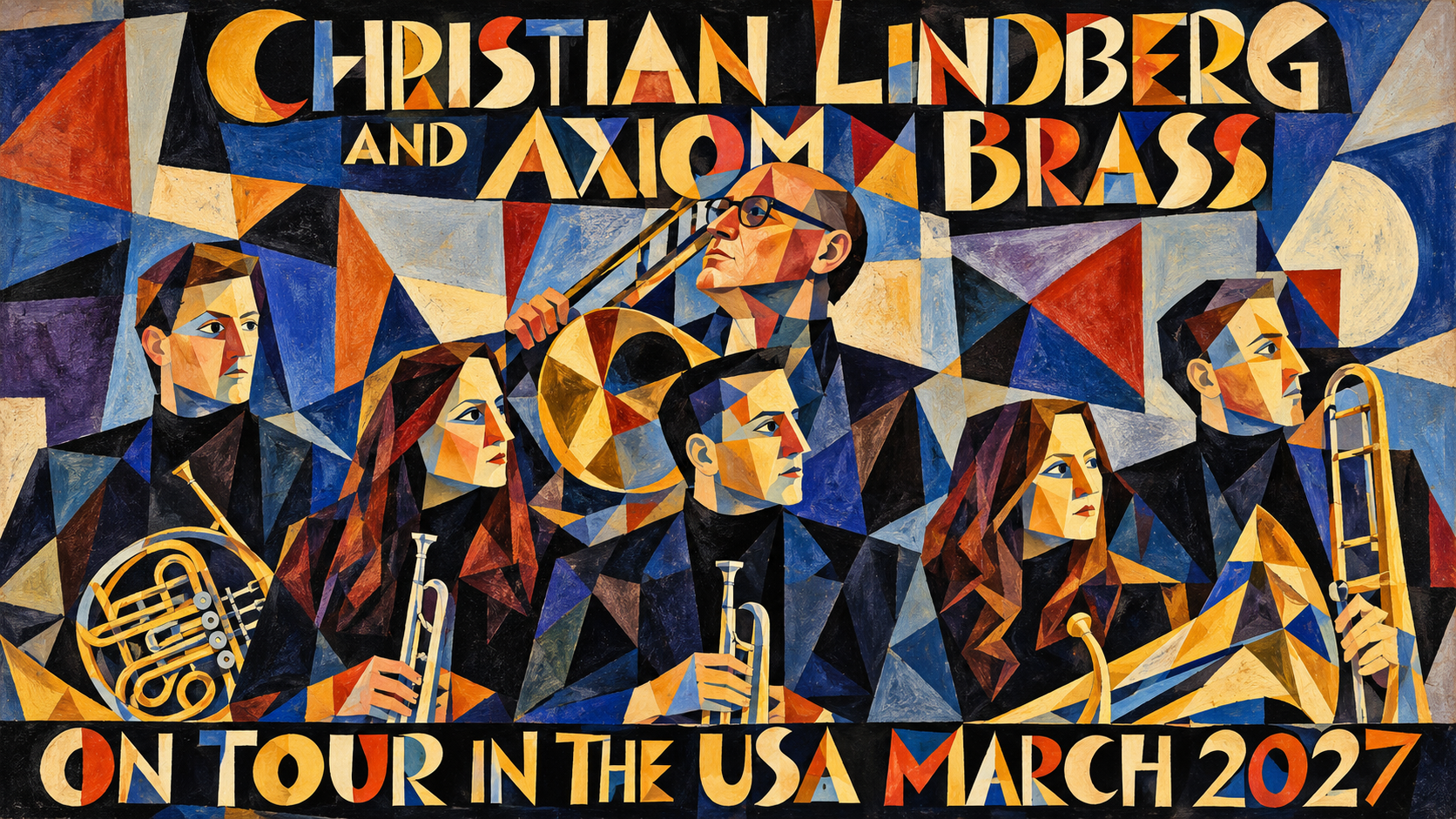
FEATURING 𝗖𝗛𝗥𝗜𝗦𝗧𝗜𝗔𝗡 𝗟𝗜𝗡𝗗𝗕𝗘𝗥𝗚, TROMBONE, AND 𝗔𝗫𝗜𝗢𝗠 𝗕𝗥𝗔𝗦𝗦 𝗟𝗜𝗩𝗘 𝗙𝗥𝗢𝗠 𝗧𝗛𝗘 𝗗𝗖 𝗧𝗥𝗢𝗠𝗕𝗢𝗡𝗘 𝗪𝗢𝗥𝗞𝗦𝗛𝗢𝗣 𝟮𝟬𝟮𝟱 𝗜𝗡 𝗪𝗔𝗦𝗛𝗜𝗡𝗚𝗧𝗢𝗡, 𝗗.𝗖. ONE OF ASTOR PIAZZOLLA’S MOST HAUNTING AND BELOVED WORKS, 𝘖𝘉𝘓𝘐𝘝𝘐𝘖𝘕 BRINGS TOGETHER THE UNMISTAKABLE SOUND OF CHRISTIAN LINDBERG WITH AXIOM BRASS IN THIS LIVE PERFORMANCE.
Adoramus te Christe a 5 by Claudia Francesca Rusca comes from her 1630 publication Sacri Concerti, a rare and remarkable collection of sacred vocal music by one of the few known women composers of early 17th-century Italy. Elegant, expressive, and richly devotional, this work reflects the emerging Baroque style through flowing counterpoint, lyrical lines, and emotional depth.
n the words of the poet Cesar A. Cruz, ‘art should comfort the disturbed and disturb the comfortable’. Like the arts, mining has also created both comfort and disturbance. The industry generates enormous wealth for some segments of society, and provides the mineral resources necessary for work, transportation and leisure in our digital age. At the same time, mining has left enormous environmental and social impacts that continue to this day. In the face of these challenges, the creative and performing arts can be a powerful vehicle to open dialogue and help us reimagine alternative possibilities.

MIRACLES OF THE HUMAN CONDITION IS A RAW JOURNALISTIC MUSICAL PROCESS OF TRANSFORMING PERSONAL/TRANSPERSONAL PRESENT CONFLICT AND PAST TRAUMA INTO WHOLENESS AND HEALING BY FOCUSING ON LOVE AND CONNECTION.
L’usignuolo (“The Nightingale”) by Barbara Strozzi (1619–1677) comes from her first published collection, Il primo libro de’ madrigali (Op. 1, 1644). One of the most remarkable musical figures of 17th-century Venice, Strozzi was a celebrated singer and composer who defied the conventions of her time to publish eight volumes of her own music under her own name, becoming one of the most prolific composers of secular vocal music of the Baroque era.
Raffaella Aleotti (c. 1570–after 1646) was an Italian composer, organist, and nun whose music flourished within the extraordinary musical culture of Ferrara at the end of the 16th century. In 1593, Aleotti’s collection of sacred motets was published, a remarkable achievement for a woman composer of her time.
Canzon Prima “La Borromea” à 4 by Claudia Francesca Rusca (1593–1676) comes from her 1630 publication Sacri Concerti, a rare and remarkable collection of sacred vocal and instrumental music by one of the few known women composers active in early 17th-century Italy. The collection includes two instrumental canzons, believed to be among the earliest surviving examples of chamber music written by a woman.

PIAZZOLLA COMPOSED HIS SUITE DEL ÁNGEL AS INCIDENTAL MUSIC FOR THE 1962 PLAY TANGO DEL ÁNGEL BY ALBERTO RODRIGUEZ MUÑOZ. IN THE PLAY AN ANGEL HEALS THE SPIRITS OF THE RESIDENTS OF A SHABBY BUENOS AIRES NEIGHBORHOOD, BUT IS ULTIMATELY KILLED IN A KNIFE FIGHT.

Piazzolla composed his Suite del Ángel as incidental music for the 1962 play Tango del ángel by Alberto Rodriguez Muñoz. In the play an angel heals the spirits of the residents of a shabby Buenos Aires neighborhood, but is ultimately killed in a knife fight.

Estudo Brasileiro N.1 is presented here in a reimagined orchestration for brass quintet featuring Barbosa’s choro influenced melody and rich harmonies, translated from piano to brass exclusively for Axiom by Michael Hawes.

